
The Enduring Truth of OOH: Why Creativity, Not Code, is the True Superpower
The narrative surrounding Out-of-Home (OOH) advertising is often dominated by talk of technology: programmatic buying, real-time data feeds, and dynamic creative optimisation. Digital Out-of-Home (DOOH) is undoubtedly the future, offering flexibility and accountability that traditional formats could only dream of. Yet, amidst the excitement of advanced tech, there is a fundamental truth that remains immutable: OOH only works when the idea is strong.
Media secures the audience’s attention, but it is creativity that makes the lasting impression.
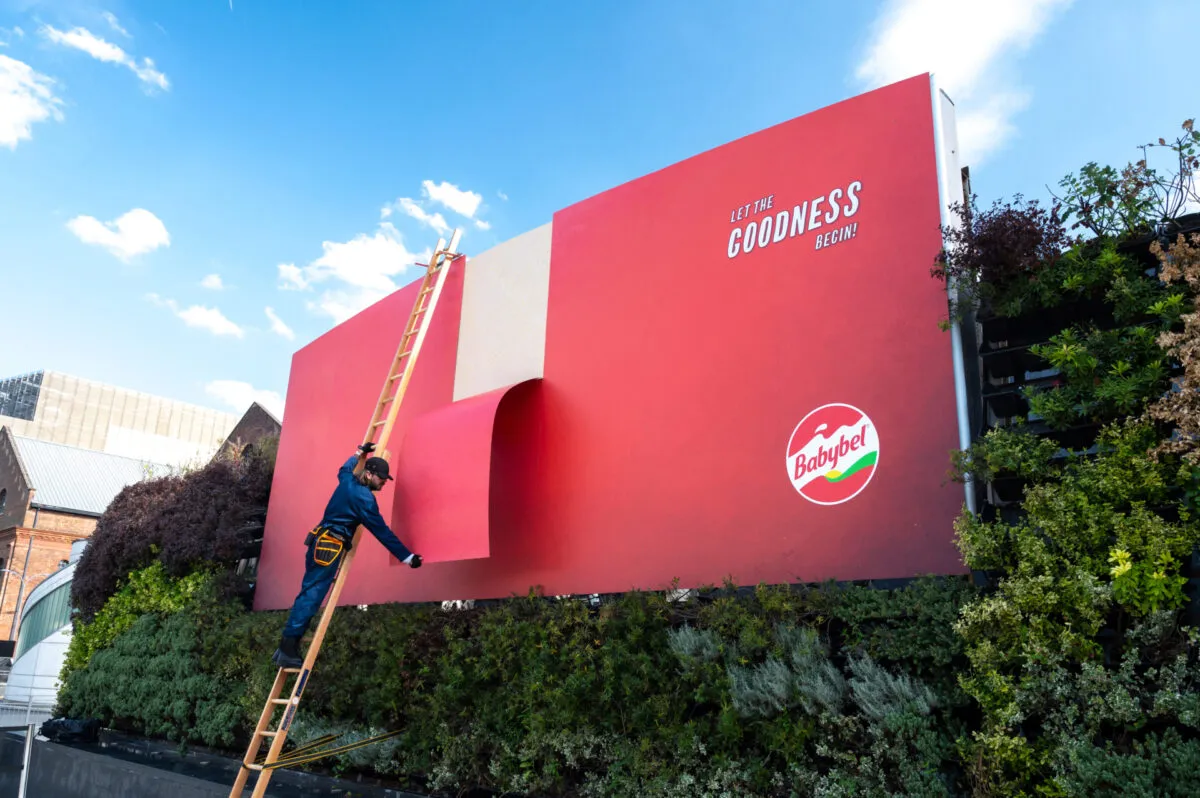
This principle is profoundly illustrated by the continued power of static advertising. In an era where motion and video reign supreme, a well-executed static placement serves as a powerful reminder that pure, unadulterated creative impact will always have its place. A brilliant static billboard demands simplicity: clean illustration, bold colours, and an idea that lands perfectly in a split second. There are no motion effects, no real-time data triggers—just the sheer force of a compelling idea commanding the public space.
The Clarity of Static vs. The Complexity of Digital
The discipline required for a powerful static execution—where every element must contribute to the core message instantly—is an invaluable lesson for the digital age. When you strip away the motion and the data feeds, you are left with the essence of the campaign. Does the idea stand tall?
The greatest weakness of dynamic DOOH is the temptation to overcomplicate the messaging simply because the technology allows it. Too many brands treat digital screens like compressed television slots, resulting in cluttered creative that fails to make an impact because it tries to communicate too much, too fast.
As industry leaders in Iconic Digital, we recognise that the creative rules for our large-format screens are not fundamentally different from those of the best static advertising:
Simplicity is Non-Negotiable: Whether static or digital, the message must be instantly digestible. In a fast-moving environment, clarity wins over complexity.
Context Enhances, It Doesn’t Substitute: Dynamic creative optimisation (DCO) should enhance an already strong idea (e.g., showing a refreshing drink during sunny weather). The context provides relevance, but the core creative provides the impact. If the underlying idea is weak, data-driven delivery won’t save it.
Scale Demands Boldness: Our iconic sites are designed to dominate. The creative must match that scale with bold design and confident messaging that is visible and legible across distance and traffic conditions.
Beyond the Hype: Creativity as the ROI Driver
The conversation around OOH too often defaults to programmatic buying strategies or footfall measurement—the “hygiene factors.” While essential for justifying the media spend, these technologies are tools of delivery, not creation.
Tim Bleakley, Chairman of Ocean Outdoor, highlighted this perfectly when he stated that the outdoor industry has a superpower: “We’re not in the big tech business. We’re in the advertising business.” This is a crucial distinction. Our business relies on art, insight, and the ability to craft compelling narratives that resonate with the public.
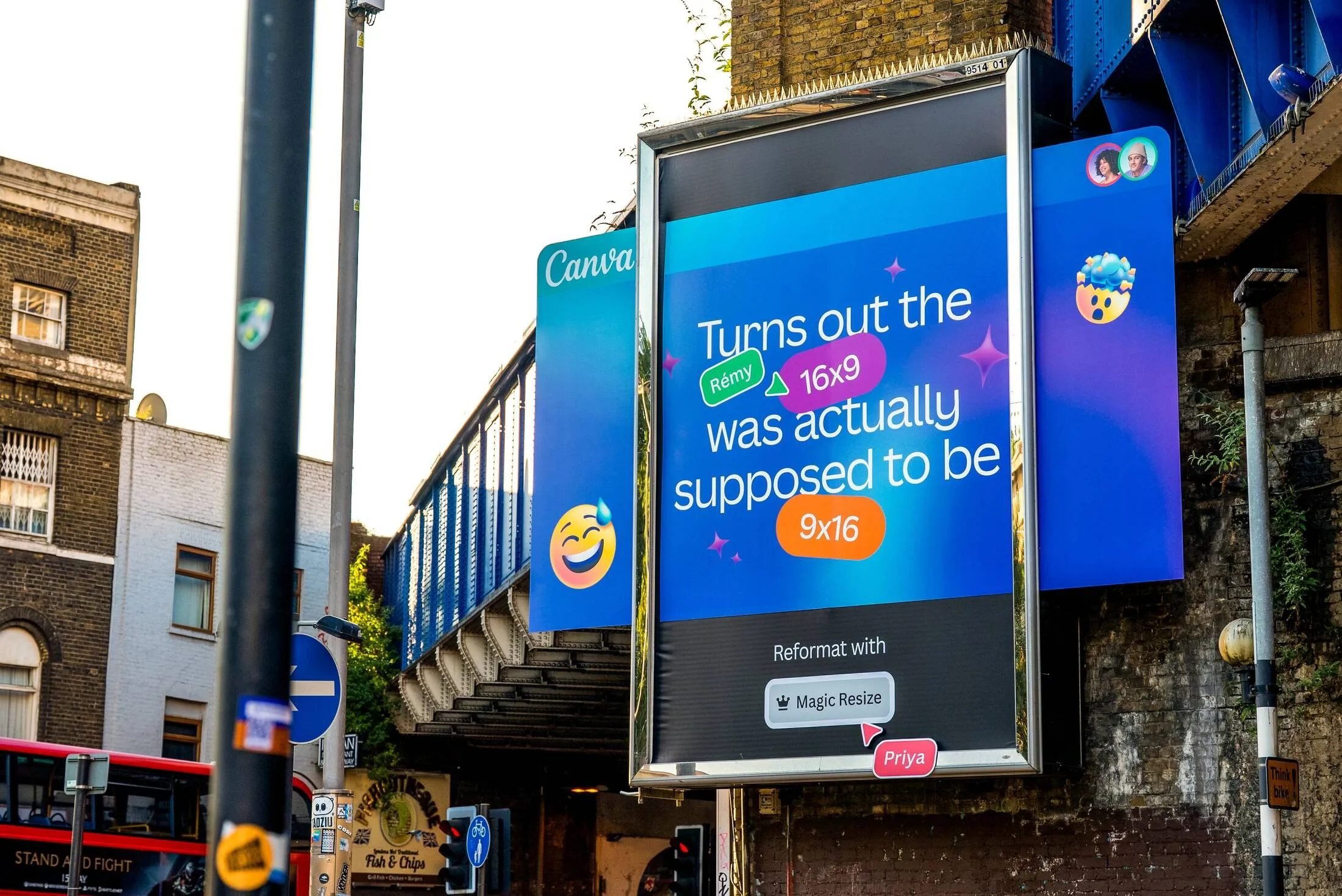
Even the simplest ideas, when executed with creative vision, can become enduring landmarks. They generate talkability, social media chatter, and brand memorability that extends far beyond the physical placement. This viral and cultural impact is the true competitive edge that creativity offers.
In conclusion, digital is without question the future of OOH because it allows us to target and measure with unprecedented precision. However, this technology merely provides the engine; the creative idea is the fuel. For brands to achieve genuine, memorable engagement in the public realm, they must ensure their campaign is rooted in an idea so strong that it could stand tall whether illuminated by pixels or printed on paper. That’s the enduring truth of effective OOH advertising.